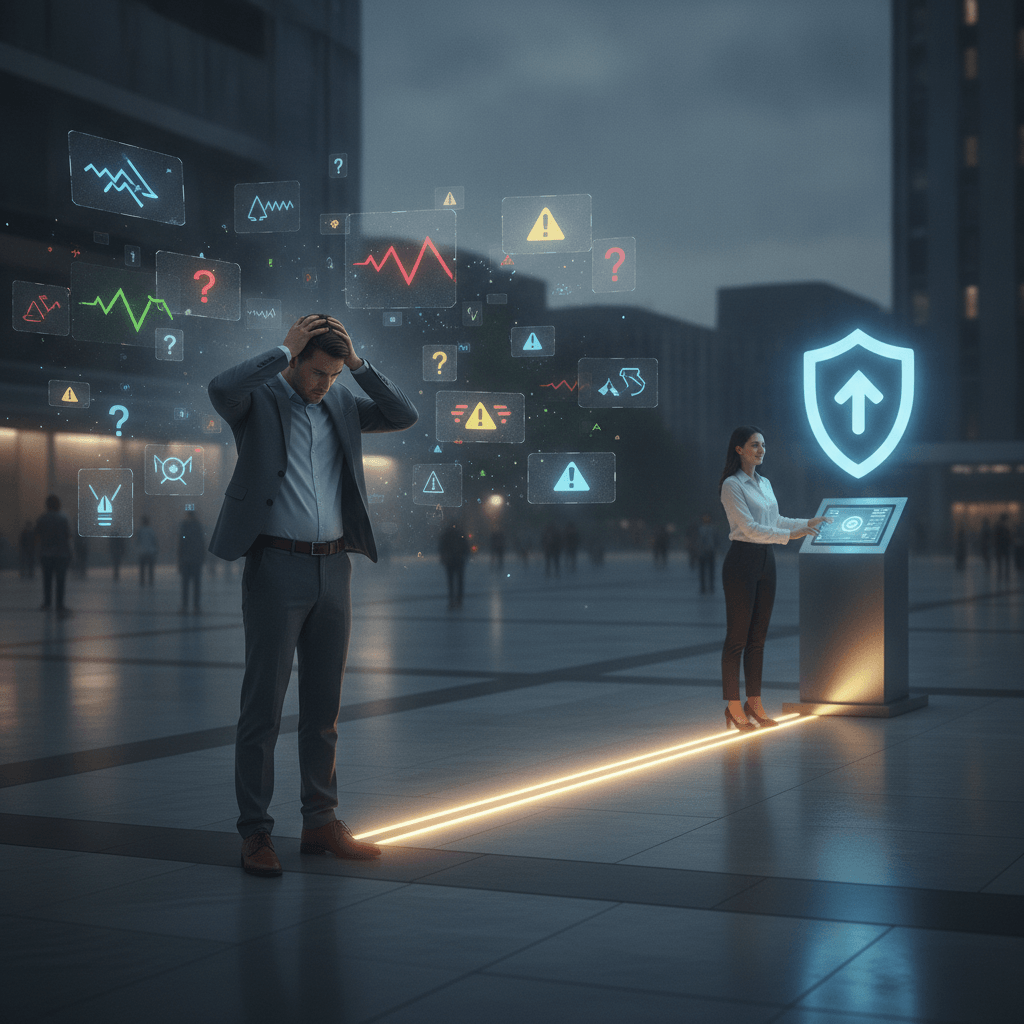
Navigating the many choices for alert systems can feel overwhelming and confusing for anyone. Many people want to ensure safety for themselves or loved ones but struggle to pick the right device. I understand this challenge and I want to help clarify the options available today.
Finding a reliable choice means looking beyond just the initial sales pitch. It requires understanding what features truly matter for real life situations. My goal here is to provide practical insights so you can make an informed decision for long term peace of mind.
I have seen firsthand how much a well chosen system can improve daily independence. It is about more than just technology. It is about matching a system to a person’s unique needs and lifestyle.
Understanding the Landscape of Alert Systems for Peace of Mind
When families start looking for an alert system, they often feel a bit lost. There are so many brands and types of devices. The core purpose of any alert system is simple. It provides a quick way to call for help when an unexpected event occurs. This could be a fall, a sudden medical problem, or even a home emergency.
Reliability is the most important factor in this decision. An alert system that does not work when needed is worse than having no system at all. I always tell people to focus on how consistently a device performs and how quickly the response center connects them to help. This focus helps cut through the marketing noise and gets to what really matters.
Different systems offer different levels of coverage. Some are designed for home use only. Others provide protection when someone is out and about. We need to consider all these factors to make a smart choice.
Distinguishing Between Basic and Advanced Options
Basic alert systems usually involve a wearable button linked to a home base unit. This unit connects to a landline or a cellular network. When the button is pressed, it calls a monitoring center or pre programmed contacts. These systems are simple and often quite affordable. They work well for people who spend most of their time inside their homes.
Advanced systems offer more features. Some include automatic fall detection. These devices use sensors to identify sudden movements that signal a fall. They can call for help even if the person cannot press a button. Other advanced options offer GPS tracking for mobile use. This means help can locate someone who falls while away from home. These systems can be a bit more complex but provide greater coverage and security.
Essential Features When You Are Confused About Alert Systems Find Your Reliable Choice
Choosing an alert system means looking at specific features that improve its usefulness. I have seen how certain capabilities make a significant difference in an emergency. It is important to ask about these when you compare systems. This helps ensure you are picking a system that truly serves its purpose.
A good system offers clear communication and quick location tracking. It needs to be easy to use and durable for everyday wear. We always want to be sure it will work when it is most critical. Understanding these points helps families feel confident in their choice.
I also advise checking for water resistance. Falls often happen in bathrooms or during showers, so the device must function even when wet. A device that must be removed for bathing is much less effective. Many people miss this detail but it is a critical safety aspect.
The Importance of a Robust Monitoring Service
A strong monitoring service is the backbone of any reliable alert system. These services staff trained operators 24 hours a day 7 days a week. When an alert comes in, they speak directly to the person through the device or base station. This two way communication lets them assess the situation quickly.
If the person needs emergency help, the monitoring center dispatches local services. If it is a non emergency, they can contact a family member or neighbor instead. This personalized response prevents unnecessary 911 calls. The best services have clear protocols for every type of situation, so you know exactly what to expect.
Ask about their training and average response times. You want a service that understands the unique needs of seniors or individuals with health conditions. They should have a strong track record of reliable service. A good monitoring team gives immense peace of mind.
I cannot stress enough how vital two way voice communication is. It allows the person to explain what happened, calming them down and guiding the responder. This feature prevents many false alarms from becoming full scale emergency calls. It also helps the emergency services know what to expect when they arrive. This saves precious time and resources.
For mobile units, GPS tracking is another essential. If someone falls outside their home, GPS can pinpoint their exact location. This is crucial for situations like a fall in a park or a medical event during a walk. Without GPS, finding the person quickly becomes much harder. Battery life on these devices is also key. You want a unit that lasts for days on a single charge and alerts you when power is low. This prevents the device from dying at a critical moment.
When you are find out more about system options, ask about how fall detection works. Some systems are very sensitive and might trigger false alarms. Others may not detect all falls. It is a balance. Testing the system with the actual user in various settings helps gauge its accuracy. We always aim for a system that gives true alerts without being overly bothersome.
Matching Alert Systems to Specific Needs and Lifestyles
No single alert system works for everyone. The best choice depends on the person who will use it and their daily life. I always recommend thinking about mobility, health conditions, and how active someone is. This helps narrow down the choices and ensures the system will actually be used.
For someone who lives alone, an automatic fall detection system might be a strong priority. If a person is very active and goes out frequently, a mobile system with GPS is a better fit. We need to tailor the solution to the individual. A system that sits on the counter because it is too bulky or confusing provides no safety at all.
Consider their comfort with technology as well. Some seniors are happy with a smartwatch style device. Others prefer a simple button. The goal is to pick something they will wear consistently. This makes the system effective when it is needed most.
Considerations for Different Living Environments
For independent living at home, a traditional base unit with a wearable pendant often suffices. If the house is large or has multiple floors, ensure the wearable has enough range to cover all areas. Cellular backup is important if a landline is not always available. This prevents service interruptions during power outages or phone line issues.
When a loved one lives with family or a caregiver, a non monitored system might be an option. These systems alert designated family members directly instead of a professional monitoring center. This works well if family is always nearby and can respond quickly. However, it requires a clear plan for who responds and when. We need to make sure everyone involved knows their role.
In assisted living facilities or memory care units, the situation is different. Many facilities have their own alert systems built into the building. If a personal alert device is still desired, confirm how it integrates with the facility’s emergency protocols. You do not want duplicate alerts or confusion about who responds. Clear communication with staff is essential here.
I also remind people to think about other factors. Do they have pets? Some systems can be triggered by pet movements. Is the home prone to power outages? If so, battery backup is critical. These small details can have a big impact on daily usability and reliability. We must look at the whole picture.
Practical Steps to Ensure Your Alert System is a Reliable Choice
Getting the right system is only half the battle. Making sure it stays reliable requires ongoing effort. I always tell families that regular testing and maintenance are just as important as the initial purchase. A device that is not maintained or tested might fail when you need it most.
First, schedule regular test calls. Most systems have a test mode. Use it monthly to confirm the connection works and the monitoring center receives the signal. This also helps the user feel comfortable pressing the button in a non emergency. Practice reduces panic during a real event.
Train the user on how to wear the device and how to charge it. If they are forgetful, set up visual reminders or integrate charging into a daily routine. We want to make it as easy as possible for them to keep the device ready. This ensures it is always available.
Regularly update the contact information with the monitoring service. Family phone numbers can change. New caregivers might be involved. Keeping this information current ensures the right people are notified quickly during an emergency. Also, inform the monitoring center about any new health conditions or medications. This gives responders vital information.
Inspect the device for any wear and tear. Make sure buttons are not sticky and straps are not broken. Clean the device as recommended by the manufacturer. These simple steps extend the life of the system. They also prevent unexpected failures. We should treat these devices with the same care we give other essential tools.
I always emphasize creating a simple, written plan. This plan should list who gets notified first, who has a spare key, and any important medical information. Store this plan in an easily accessible place. Share it with all family members and caregivers. This helps everyone react effectively and without confusion during a crisis.
Cost Factors and Finding Value in Your Investment
The cost of alert systems varies widely, so it is important to understand the pricing structure. Some providers charge an upfront fee for the equipment. Others include the equipment cost in a monthly rental fee. There is almost always a monthly monitoring fee for services that connect to a response center.
Compare these costs carefully. Look at contract lengths and cancellation policies. You do not want to be locked into a long term contract if needs might change soon. Some companies offer discounts for annual payments or for bundling services. Always ask about any hidden fees or extra charges for mobile connectivity.
Insurance coverage for alert systems is often limited. Medicare generally does not cover personal emergency response systems. Some private insurance plans or state programs might offer subsidies for eligible individuals. Veterans also have specific benefits that could help. It is always worth checking these options to reduce the financial burden.
The true value of an alert system goes beyond its direct cost. It provides security and peace of mind for both the user and their family. Faster response times can reduce the severity of injuries and shorten hospital stays. This can lead to significant savings in medical expenses over time. It also helps seniors maintain independence longer, which improves their quality of life. We should view it as an investment in safety and well being.
I have seen families save thousands of dollars in long term care costs because a reliable alert system helped prevent a severe injury. This kind of value is hard to put a price on. So, while cost is a factor, it should not be the only one. We must weigh it against the immense benefits it brings.
My Experience and Final Advice on Making Your Decision
Choosing an alert system feels like a big decision. I know it can bring a lot of worry and uncertainty. But the truth is that a well chosen and properly maintained system provides immense peace of mind and significantly improves safety. I have guided many families through this process and I have seen the positive impact it has on their daily lives. The key is to be informed and methodical in your approach.
Start by identifying the specific needs of the person who will use the system. Consider their mobility, their environment, and their comfort with technology. Then, research different types of systems, focusing on features like two way communication, fall detection, and battery life. Always scrutinize the monitoring service and their response protocols. I always tell people to ask for a trial period if possible. This lets you test the system in real world conditions before committing fully.
Do not forget the importance of regular testing and maintenance. A system is only as good as its readiness. Make sure emergency contacts are up to date and that the user knows how to operate the device. This holistic approach ensures your chosen alert system is truly reliable. It provides the security and independence we all want for our loved ones. Take that first step today. It makes a real difference.